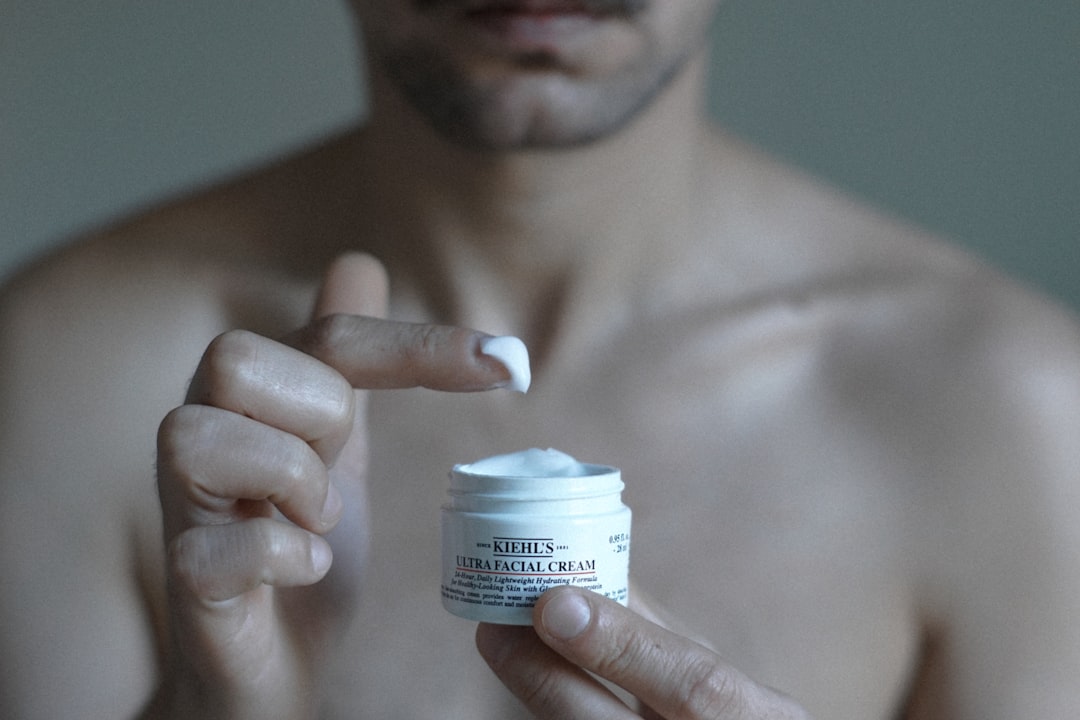
Microdosing in Skincare: benefits, risks, and how to start
Microdosing in skincare uses small doses of actives to reduce irritation. Learn who benefits, what the risks are, and how to try it safely in your routine.
Most of us were taught that if a little works, more must work better. Slather on that retinol. Layer up the vitamin C. Go hard or go home. But that logic is quietly getting challenged by one of the most talked-about trends in skincare right now: microdosing. Instead of using full concentrations of active ingredients, microdosing means deliberately dialing things back, using smaller amounts to get results with less drama. This article breaks down exactly what microdosing is, who it actually helps, where it falls short, and how to try it without wrecking your skin barrier in the process.
Table of Contents
Key Takeaways
| Point | Details |
|---|---|
| Gentle method | Microdosing is a way to use actives with less risk of irritation, ideal for sensitive or beginner skin. |
| Not for all ingredients | Some products, like sunscreen, require full doses to be effective; microdosing isn’t always appropriate. |
| Watch for pitfalls | Overusing multiple microdosed actives can cause overload or delay results—monitor your skin closely. |
| Expert guidance helps | Professional advice ensures microdosing fits your needs and avoids potential drawbacks. |
Understanding microdosing in skincare
Microdosing in skincare is exactly what it sounds like: using a reduced amount or lower concentration of an active ingredient rather than the standard dose. Think of it as turning the volume down on your actives instead of blasting them at full strength. The goal is to still get some of the skin benefits while cutting down on the irritation, peeling, or sensitivity that often comes with full-strength use.
This approach is especially popular with ingredients that are known to cause reactions at higher doses. The most commonly microdosed actives include:
-
Retinol (vitamin A derivatives that speed up cell turnover)
-
Vitamin C (an antioxidant that brightens and protects)
-
Chemical exfoliants like AHAs and BHAs (glycolic acid, salicylic acid)
-
Niacinamide (a multi-tasker that targets pores, tone, and oil)
Traditional skincare advice often pushes generous application and consistent full-dose use. Microdosing flips that by prioritizing tolerance over intensity. According to microdosing benefits, this method is best for sensitive skin, beginners, and anyone who tends to react badly to potent formulas.
Pro Tip: If you’ve ever tried a retinol and awoken up with a red, flaky face, microdosing might be the smarter entry point rather than quitting actives altogether.
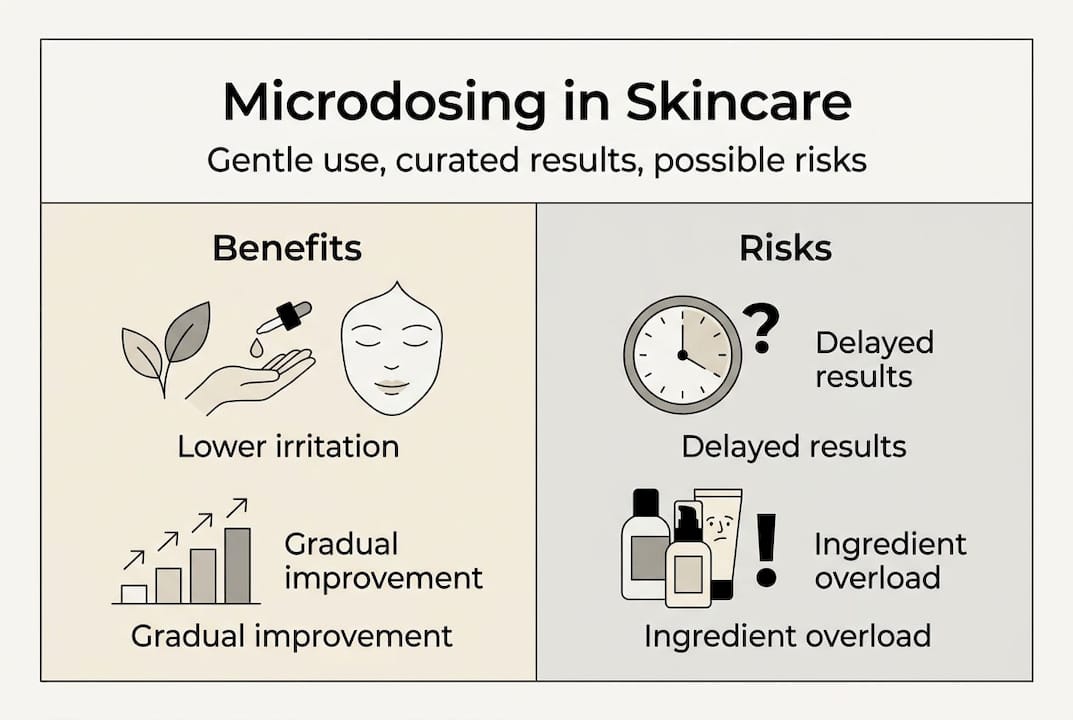
Why do people microdose in skincare?
The appeal of microdosing isn’t random. It comes from a very real frustration: people want the results that actives promise, but they don’t want the purging, the peeling, or the week of looking like they got a sunburn indoors. Microdosing offers a middle path.
Here are the main reasons people turn to this approach:
-
Skin sensitivity — Some people’s skin simply can’t handle standard concentrations without flaring up, getting red, or feeling tight and uncomfortable.
-
Exploring new actives — Trying retinol for the first time at full strength is a gamble. Microdosing lets you test the waters without committing to a full reaction.
-
Gradual adaptation — Your skin can build tolerance over time. Starting low and slow is a legitimate strategy for eventually using stronger formulas.
-
Reaction prevention — If you’ve had a bad experience with a product before, microdosing lets you reintroduce it more carefully.
“Microdosing is particularly appealing to sensitive skin types and beginners who are just starting to work with actives.”
If you want to see how real users and expert opinions on microdosing stack up against each other, it’s worth reading through first-hand experiences before committing to a new routine.
Benefits of microdosing: who can benefit?
Microdosing isn’t a universal upgrade. It’s a targeted strategy that works really well for specific people and situations. Understanding where it shines helps you decide if it’s worth trying for your skin.
The clearest benefits show up for:
-
People with reactive or sensitive skin who struggle with redness, stinging, or barrier damage from standard-strength products
-
Skincare beginners who are just starting to add actives and don’t know how their skin will respond
-
Anyone recovering from over-exfoliation or a compromised skin barrier
-
Those who want to layer multiple actives without overwhelming their skin
However, microdosing isn’t suitable for every ingredient or every goal. Sunscreen, for example, has to be applied at the recommended amount to actually protect your skin. Microdosing SPF is not a thing. Similarly, if you’re dealing with severe acne or a condition that requires a clinically proven dose, going low may just mean going without results.
| Feature | Microdosing | Standard-dose routine |
|---|---|---|
| Irritation risk | Lower | Higher |
| Speed of results | Slower | Faster |
| Best for | Sensitive, beginner skin | Experienced, tolerant skin |
| Flexibility | High | Moderate |
| Suitable for sunscreen | No | Yes |
| Suitable for prescription actives | No | Yes |
The comparison makes it clear: microdosing is a tool, not a replacement for a full routine. It’s about reducing friction while your skin adjusts, not about permanently using less of everything.
The risks and limitations of microdosing in skincare
Here’s where things get honest. Microdosing sounds safe and gentle, and it often is, but it comes with its own set of traps that are easy to fall into.
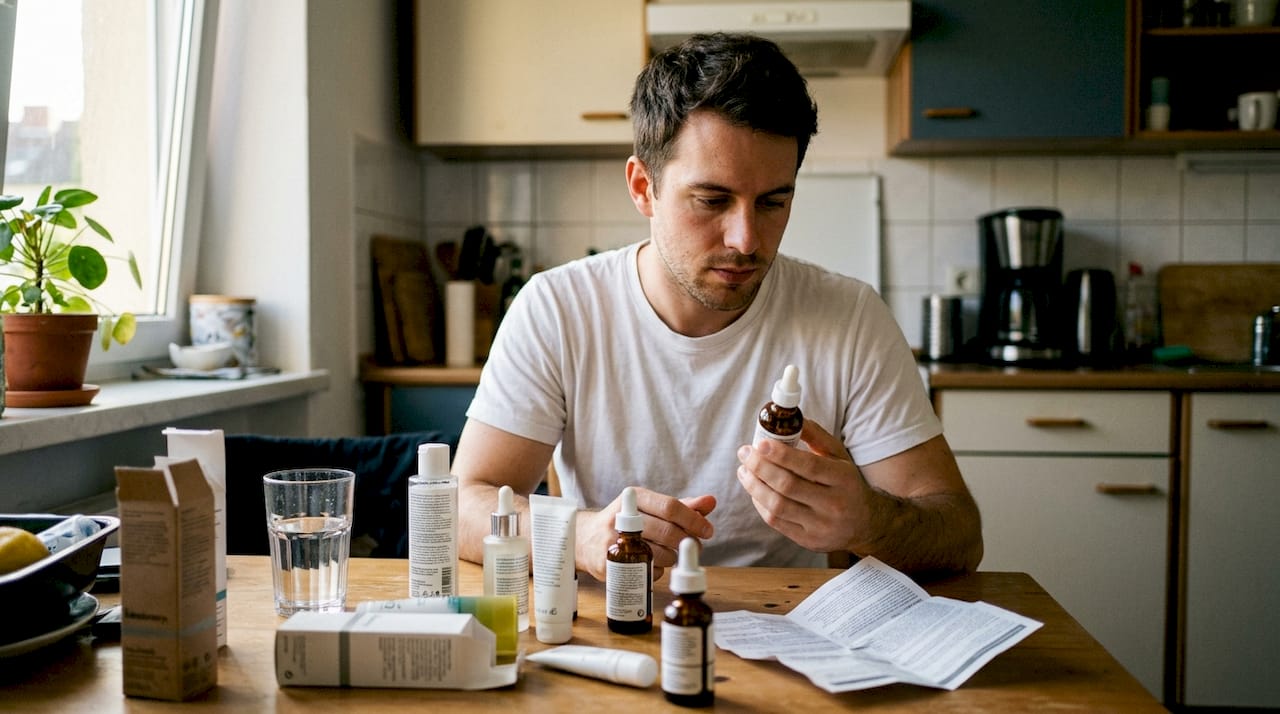
One of the biggest risks is what you might call the “illusion of safety.” Because each individual product feels mild, people sometimes pile on multiple low-dose actives at once, thinking it’s fine. It’s not. Your skin doesn’t care that each product is technically a small dose. The combined effect can still overwhelm your barrier.
| Risk | What it looks like | Why it matters |
|---|---|---|
| Ingredient overload | Using 4 to 5 low-dose actives daily | Cumulative irritation, barrier damage |
| Delayed results | Waiting months with no visible change | Frustration, product abandonment |
| Suboptimal dosing | Using retinol at too low a dose to trigger cell turnover | Wasted effort and money |
| False confidence | Thinking low dose means zero risk | Ignoring early warning signs |
According to microdosing risks, the real dangers include creating an illusion of safety, overloading skin with multiple low-dose actives, delayed or suboptimal results, and a lack of evidence supporting microdosing for all ingredient types.
Some actives need to hit a minimum concentration threshold to actually do anything. Retinol, for instance, needs to reach a certain level in the skin to trigger the cellular processes that reduce wrinkles and improve texture. If your dose is too low, you might just be moisturizing with an expensive product.
Pro Tip: Watch for subtle warning signs like persistent tightness, stinging after application, or low-grade redness that doesn’t go away. These are signals your skin is not happy, even with a “gentle” approach.
What the experts say: derms and evidence
The skincare community is not unified on microdosing. Some dermatologists genuinely support it as a smart entry point for irritant-prone skin. Others are more skeptical, pointing out that clinical dosing standards exist because they were tested and proven to work at specific concentrations.
Here’s where the expert community lands:
-
Supporters argue that for sensitive or reactive skin, getting some benefit from a lower dose is better than getting no benefit because the full dose causes a flare-up
-
Skeptics point out that many actives have a dose-response relationship, meaning the benefit scales with the amount used, and going too low may mean going below the effective threshold
-
Both sides agree that professional supervision is ideal, especially when dealing with prescription-strength ingredients or treating specific skin conditions
“There are contrasting views among dermatologists: some endorse microdosing for irritant-prone skin, while others caution that it can undermine clinical efficacy.”
The takeaway is that microdosing is not a one-size-fits-all solution. It’s a personalized strategy that works best when you understand your own skin and have realistic expectations. For more real-world context, checking out dermatologist views on microdosing alongside personal reviews can help you form a more complete picture.
Evidence-based dosing remains the gold standard for therapeutic use. If you’re treating a diagnosed condition, talk to a professional before reducing your dose on your own.
How to safely try microdosing in your routine
If you’ve decided microdosing is worth exploring, the good news is that starting safely is straightforward. The key is patience and paying close attention to your skin’s feedback.
Follow these steps to get started:
-
Pick one active to start with. Don’t try to microdose your entire routine at once. Choose the ingredient you most want to introduce, whether that’s retinol, a vitamin C serum, or an exfoliating acid.
-
Use it 2 to 3 times per week. Frequency matters as much as concentration. Starting with less frequent use gives your skin time to adjust between sessions.
-
Apply a small amount. A pea-sized amount for the face is the standard benchmark. You don’t need more than that.
-
Monitor your skin for 4 to 6 weeks. Look for dryness, tightness, pinkness, or new breakouts. These are signals to slow down or stop.
-
Gradually increase frequency if your skin tolerates it. Once you’ve used something twice a week for a month without issues, you can try adding a third application.
-
Introduce new actives one at a time. Never add two new ingredients in the same week. You won’t know which one caused a reaction if something goes wrong.
As noted in careful observation guidance, microdosing can help newcomers and sensitive users ease into active usage, but it requires patience and consistent monitoring to see results.
Pro Tip: If you’re considering microdosing a prescription-strength ingredient like tretinoin, consult a dermatologist first. Prescription actives are formulated for specific doses, and adjusting them without guidance can reduce their effectiveness or cause unexpected reactions.
Explore trusted skincare reviews and expert insights
If microdosing has sparked your curiosity about what actives are actually worth trying, you don’t have to figure it out alone. Real-world testing and honest reviews make a huge difference when you’re deciding whether a product is worth adding to your routine.
At Living2Slay, you’ll find skincare product reviews that go beyond the marketing claims, covering how products actually perform on different skin types, including sensitive and reactive skin. Whether you’re curious about which retinol is gentle enough to microdose or which vitamin C serum delivers results without the sting, there’s a growing library of honest, experience-backed content to help you decide. Explore the reviews, find what fits your skin, and build a routine that actually works for you.
Frequently asked questions
Can microdosing be used with all skincare ingredients?
No. Some ingredients, like sunscreen, must be applied at full strength to be effective, and reducing the dose defeats their purpose entirely.
Is microdosing safe for people with sensitive skin?
Microdosing is often a smart choice for sensitive skin because it lowers irritation risk, but you should still monitor your skin closely for any early signs of reaction. According to sensitive skin guidance, it’s best suited for beginners and those prone to irritation.
Are there risks to microdosing in skincare?
Yes. The main risks include overloading skin with multiple actives, delayed results, and using doses too low to trigger any real skin change.
How long until I see results with microdosing?
Results come more slowly than with full-strength routines. As noted in microdosing outcome research, lower doses may delay visible changes, so consistent use over several months is usually needed before drawing conclusions.