
10 best practices for skincare that actually make a difference
Cut through the noise with these 10 skincare best practices that dermatologists and experienced users swear by. Simple, effective, and backed by real results.
Skincare advice is everywhere, and most of it contradicts itself. One source says you need 12 products. Another says you only need three. Someone swears by ice baths for your face while someone else calls it a gimmick. The truth is simpler than the internet makes it seem. The habits that actually move the needle are consistent, unglamorous, and backed by decades of dermatology research. Here are 10 best practices that work regardless of your skin type, budget, or how many steps you want in your routine.
Table of Contents
- Wear sunscreen every single day
- Cleanse gently and no more than twice a day
- Moisturize even if your skin is oily
- Introduce new products one at a time
- Apply products from thinnest to thickest
- Don't skip your neck and chest
- Keep your hands off your face
- Stay hydrated from the inside
- Change your pillowcase regularly
- Be patient and stay consistent
Key Takeaways
| Practice | Why it matters |
|---|---|
| Daily sunscreen | Prevents up to 90% of visible skin aging and reduces skin cancer risk. |
| Gentle cleansing | Protects your skin barrier instead of stripping it. |
| Consistent moisturizing | Keeps skin balanced regardless of skin type. |
| Patience over products | Results come from consistency, not from buying more stuff. |
1. Wear sunscreen every single day
This is the single most impactful thing you can do for your skin. UV damage is responsible for up to 90% of visible skin aging, including wrinkles, dark spots, and loss of elasticity. It doesn't matter if it's cloudy, if you're indoors near windows, or if you "don't burn easily." UVA rays penetrate clouds and glass, and they're doing damage whether you feel it or not.
Use a broad-spectrum SPF 30 or higher every morning as the last step of your skincare routine, before makeup. Reapply every two hours if you're outdoors. If you only follow one tip from this entire list, make it this one.
2. Cleanse gently and no more than twice a day
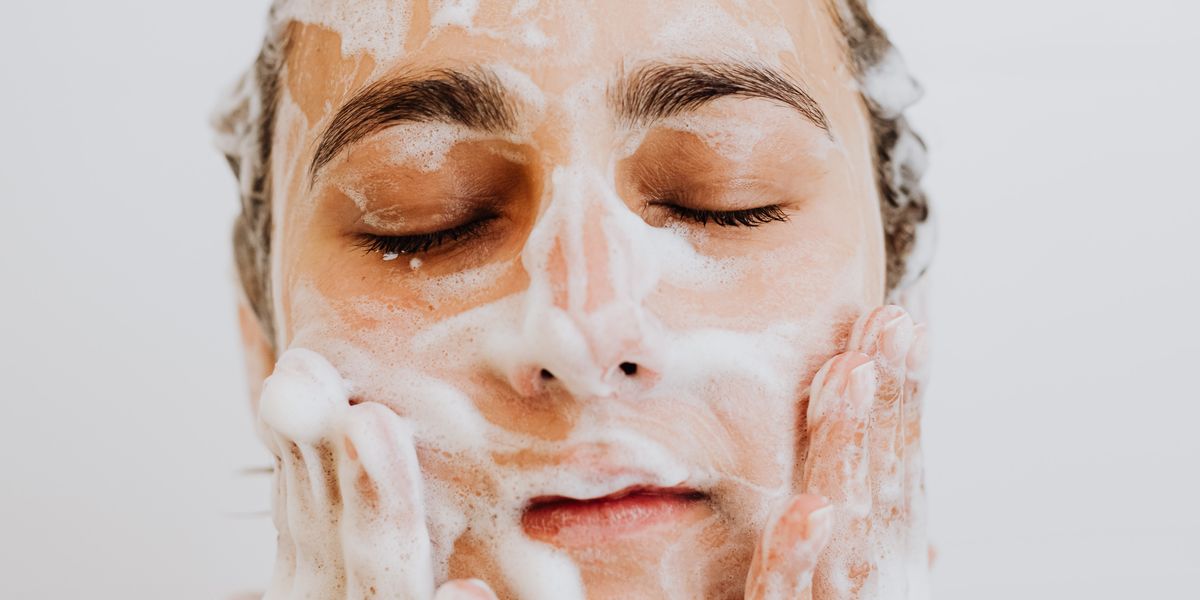
Over-cleansing is one of the most common skincare mistakes. Washing your face more than twice a day, or using a cleanser that's too harsh, strips your skin's natural oils and weakens the moisture barrier. The result? Your skin either dries out or overproduces oil to compensate, leading to breakouts either way.
Stick to a gentle, pH-balanced cleanser (pH 4.5 to 6). Wash once in the morning and once at night. In the morning, a water-only rinse is fine for most people. Save the cleanser for your evening routine when you're removing sunscreen, makeup, and the day's buildup.
3. Moisturize even if your skin is oily
Skipping moisturizer because your skin is oily is one of the biggest myths in skincare. When your skin is dehydrated, it produces more oil to compensate. A lightweight, oil-free moisturizer actually helps regulate sebum production and keeps your skin balanced.
For oily skin, look for gel-based or water-based moisturizers with ingredients like hyaluronic acid or niacinamide. For dry skin, cream-based formulas with ceramides or squalane work well. The key is finding a texture that works for you and using it consistently, morning and night.
4. Introduce new products one at a time
When you start a new product, give it at least two to four weeks before adding another one. If you introduce three products at once and your skin reacts, you have no idea which one caused the problem. This is especially important with active ingredients like retinol, vitamin C, or chemical exfoliants.
Start with the lowest concentration available and use it two to three times per week. If your skin tolerates it well after a few weeks, gradually increase frequency. This approach takes longer but saves you from unnecessary irritation and wasted products.
5. Apply products from thinnest to thickest

The order you apply your products matters more than most people think. The general rule is thinnest consistency first, thickest last. This allows each layer to absorb properly without being blocked by a heavier product sitting on top.
A typical order looks like this:
- Cleanser
- Toner or essence (if you use one)
- Serum (vitamin C, niacinamide, etc.)
- Moisturizer
- Sunscreen (morning only)
If you use a retinol or prescription treatment, it typically goes after serum and before moisturizer. Some people prefer to buffer retinol by applying moisturizer first, then retinol on top. Both approaches work.
6. Don't skip your neck and chest
Your face doesn't end at your jawline. The skin on your neck and chest is thinner and shows signs of aging just as quickly, sometimes faster. Whatever you're putting on your face should extend down to your neck and upper chest, especially sunscreen and moisturizer.
This is one of those habits that doesn't seem important at 25 but becomes very obvious by 40. The neck is one of the first areas to show sun damage, fine lines, and crepey texture. Prevention is significantly easier than correction.
7. Keep your hands off your face
Your hands touch hundreds of surfaces throughout the day. Every time you rest your chin on your hand, rub your eyes, or pick at a blemish, you're transferring bacteria, oil, and dirt directly onto your skin. This is one of the most common causes of localized breakouts, especially along the jawline and cheeks.
If you're prone to touching your face, pay attention to when you do it most. For many people, it's during work, while reading, or while watching TV. Awareness is the first step. And if you get a pimple, resist the urge to pop it. Picking almost always makes it worse and increases the risk of scarring.
8. Stay hydrated from the inside
No serum can fully compensate for dehydration. Your skin is your body's largest organ, and it needs water to function properly. When you're dehydrated, your skin looks dull, feels tight, and fine lines become more visible.
There's no magic number for how much water you need. The old "eight glasses a day" rule is a rough guideline, not a scientific standard. A better approach: drink water consistently throughout the day, eat water-rich foods (fruits, vegetables, soups), and pay attention to how your skin and body feel. If your lips are dry and your urine is dark, you probably need more water.
9. Change your pillowcase regularly

You spend roughly eight hours a night with your face pressed against your pillowcase. Over the course of a week, it collects oil, dead skin cells, bacteria, and product residue. Sleeping on a dirty pillowcase is like undoing your entire evening skincare routine.
Swap your pillowcase every two to three days, or at minimum once a week. If you're acne-prone, consider switching to a silk or satin pillowcase. These materials create less friction against your skin and absorb less oil than cotton, which means less irritation and fewer breakouts.
10. Be patient and stay consistent
This is the practice most people struggle with, and it's arguably the most important one. Skincare is not instant. Most products need four to six weeks of consistent use before you can fairly judge whether they're working. Some ingredients, like retinol, can take three to six months to show their full effects.
The temptation to switch products every two weeks because you're not seeing results is real, but it's counterproductive. Every time you restart with something new, you reset the clock. Pick a simple routine, commit to it for at least six weeks, and then evaluate. Your skin will thank you for the consistency.
Find products that actually work
Knowing the best practices is one thing. Finding the right products to put them into action is another. At Living2Slay, you'll find honest, experience-backed skincare reviews that cut through the marketing noise. Whether you're looking for a pH-balanced cleanser, a sunscreen that doesn't leave a white cast, or a moisturizer that works for oily skin, the reviews are a solid place to start.
Frequently asked questions
How many skincare products do I actually need?
At minimum, three: a gentle cleanser, a moisturizer, and a sunscreen. Everything else is optional and should be added based on specific skin concerns, not because someone on the internet said you need it.
Does expensive skincare work better than drugstore products?
Not necessarily. Price doesn't determine effectiveness. Many drugstore products contain the same active ingredients as luxury brands. What matters is the formulation, concentration, and whether the product suits your skin type.
Should I use different products morning and night?
Your morning routine should focus on protection (antioxidants, moisturizer, sunscreen). Your evening routine is for repair and treatment (cleansing, retinol, heavier moisturizers). Some products like cleanser and moisturizer can be the same for both.
How do I know if a product is working?
Give it four to six weeks of consistent use. Look for gradual improvements in texture, hydration, or clarity rather than overnight transformations. If a product causes persistent irritation, redness, or breakouts after two weeks, it's probably not right for your skin.